


How to choose the right wire taping machine for your cable manufacturing requirements
 Jul 15, 2026|
 View:572
If you want to boost your cable production, you need a wire taping machine that matches your cable specs, volume, and quality goals. A wire taping machine wraps tape around cable cores, making cables stronger and improving their insulation. You should look for models that use CNC control systems because they keep taping accurate and stable, even when you change production speeds. This helps your cables meet quality standards and keeps your production line running smoothly. Before you pick a machine, think about the types of cables you make and your daily output. Ask yourself what features matter most for your business.
Advanced machines use CNC controls for stable taping accuracy.
Uniform taping improves insulation and production line stability.
Consistent quality supports easier manufacturing steps.
Key Takeaways
Choose a wire taping machine that matches your cable types and production needs for better efficiency.
Look for machines with CNC controls to ensure stable and accurate taping, which improves cable quality.
Consider automation features to reduce labor costs and increase production speed, allowing one operator to do the work of multiple workers.
Check the manufacturer's reputation and certifications to ensure you get a reliable machine with good support.
Evaluate the machine's maintenance needs and integration capabilities to keep your production line running smoothly.
Wire Taping Machine Overview
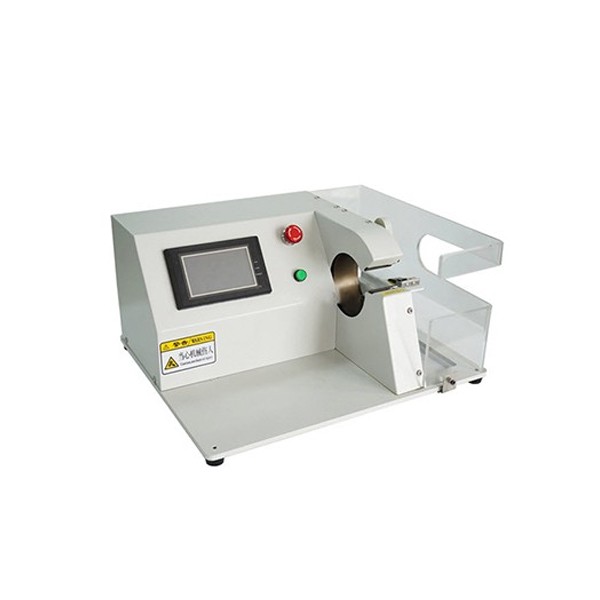
Function in Cable Manufacturing
You might wonder what a wire taping machine actually does in your cable production line. This machine plays a big role in making sure your cables are strong, safe, and ready for the next steps. Here’s what you can expect from a wire taping machine:
It wraps insulation or shielding tape around cable cores.
It makes the cable structure stronger.
It boosts electrical insulation so your cables work better.
It gives cables extra protection from bumps or scratches.
It helps cables move smoothly into the next process, like extrusion or jacketing.
Tip: If you want your cables to pass tough quality checks, you need a machine that can handle all these jobs without missing a beat.
Types and Features
You will find several types of wire taping machines on the market. Each type fits different cable sizes, materials, and production needs. Some machines work best for small, flexible wires. Others handle thick, heavy-duty cables. You can choose from manual, semi-automatic, or fully automatic models. Automatic machines often use CNC controls, which help you get the same taping quality every time.
Here are some features you might see:
Adjustable taping speed for different cable types
Tension control to keep tape tight and even
Quick-change tape reels for less downtime
Safety covers and alarms to protect workers
When you pick a wire taping machine, think about what features matter most for your cables. Do you need fast changeovers? Is tape tension a big deal for your product? The right features can save you time and money.
Selection Criteria
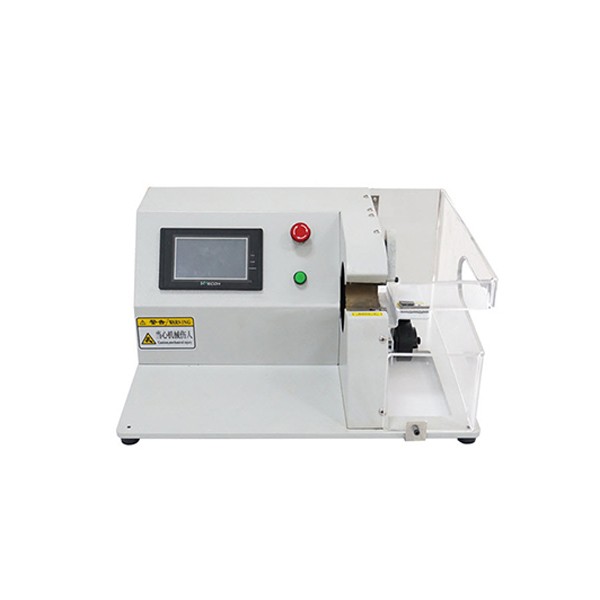
Cable Compatibility
You want your wire taping machine to work with all the cables you make. Start by checking if the machine can handle your cable sizes and shapes. Some machines do better with thin wires, while others fit thick or flat cables. You also need to think about the insulation materials you use. Not every machine works with every material. Here’s a quick look at common insulation materials and what they offer:
Material Type | Description |
|---|---|
Copper Foil | Standard insulation material for electrical cables |
Aluminum Foil | Lightweight and corrosion-resistant insulation |
Mylar | Durable and moisture-resistant material |
Cotton Paper | Eco-friendly option for insulation |
Teflon | High-temperature resistant material |
Mica Tape | Suitable for high-temperature applications |
PTFE | Versatile for various insulation needs |
Polyimide | Ideal for extreme temperature environments |
Tip: Always match your machine’s specs to your cable’s insulation. This helps you avoid problems and keeps your production line running smoothly.
Efficiency and Automation
You want to get more done in less time. That’s where automation comes in. Modern machines can do the work of two or three people. You only need one operator for jobs that used to take a whole team. Automated machines also cut down on time spent on tasks like re-spooling. This means you save money on labor and boost your output.
One operator can do the work of 2-3 manual workers.
Automation cuts down on time spent on repetitive tasks.
You save money on labor over time.
Automation also brings other big benefits. Take a look at how it helps your production:
Benefit | Description |
|---|---|
Process Consistency | Automation keeps your process steady, so you get fewer defects and less rework. |
Increased Efficiency | Automated systems speed up production and cut down cycle times. |
Quality Support | Automation helps you meet tough quality standards. |
Lower Labor Costs | You need fewer workers, so you save money and boost profits. |
Consistent Quality | Every cable comes out the same, so you can trust your results. |
Higher Output | You make more cables in less time, which helps your business grow. |
Note: If you want to keep up with big orders, choose a machine with strong automation features.
Integrated Features
The right features can make your life much easier. Some wire taping machines come with extras that help you work faster and smarter. Look for machines with these features:
Feature | Contribution to Productivity |
|---|---|
Optional Integration | Lets you connect with other machines for smooth workflow. |
Customizable Configurations | Fits different cable sizes and tape types. |
Low Maintenance | Less downtime, so you keep working. |
High Production Rate | Handles up to 1,200 applications per hour. |
Durable Construction | Built to last in tough factory settings. |
Consistent Tape Placement | Reduces mistakes and keeps quality high. |
Pro Tip: Pick a machine with features that match your daily needs. This helps you avoid slowdowns and keeps your team happy.
Manufacturer Reputation
You want a machine that lasts and a company that stands behind it. Check if the manufacturer has a good track record. Look for companies with important certifications. These show that the machines meet strict quality and safety rules.
Certification | Description |
|---|---|
ISO13485 | Medical devices quality management |
ISO9001 | Quality management systems |
ISO14001 | Environmental management systems |
IATF16949 | Automotive quality management systems |
Tip: Good support and clear certifications mean fewer headaches for you down the road. Always ask about training, spare parts, and after-sales service before you buy.
Machine Comparison
Feature Table
You want to see how different machines stack up. Comparing features side by side makes your choice easier. Here’s a simple table that shows what you should look for:
Machine Model | Taping Speed | Automation Level | Tape Compatibility | Maintenance Needs | Safety Features |
|---|---|---|---|---|---|
Model A | 800/hr | Semi-Automatic | Mylar, Cotton | Moderate | Basic |
Model B | 1200/hr | Fully Automatic | Copper, PTFE | Low | Advanced |
Model C | 600/hr | Manual | Polyimide, Mica | High | Basic |
You can spot the differences right away. Model B works faster and needs less maintenance. Model C is slower and needs more attention. Model A sits in the middle. You should pick the machine that fits your cable types and production goals.
If you want to boost output, look for high taping speed and full automation.
Cost and Maintenance
You need to think about your budget. Machines with more features usually cost more up front. They often save money later because they need less maintenance and fewer repairs. Manual machines cost less but can slow you down and need more care.
Automatic machines cost more but save money on labor.
Semi-automatic machines balance cost and speed.
Manual machines cost less but need more hands and time.
Maintenance matters too. You want a machine that runs smoothly and doesn’t break down often. Machines with low maintenance keep your line moving and help you avoid costly stops.
Ask about spare parts and service plans before you buy. Good support keeps your machine running longer.
Production Line Integration
You want your wire taping machine to fit right into your production line. Integration helps you scale up when your business grows. It also lets you handle new cable types and bigger orders.
Here’s a table that shows how integration helps your production:
Benefit | Description |
|---|---|
Scalability | You can ramp up production and handle more cable types as your business grows. |
Automation | You get better quality, lower costs, and faster speeds. |
Consistency | Robot-guided steps keep quality steady and reduce waste. |
Efficiency | Your line runs smoother and uses fewer resources. |
Flexibility | You can adapt to new wire harnesses and customer needs. |
You should weigh your options for long-term growth. Machines that integrate well give you more flexibility. They help you keep up with new demands and make your production future-proof.
If you want to stay ahead, choose a machine that grows with your business.
Application Fit
Common Scenarios
You might wonder where wire taping machines show up in real cable manufacturing. These machines help in many places. You see them in factories that make cables for phones, computers, and even robots. Here are some common situations where wire taping machines make a big difference:
High-speed data and signal transmission: You need cables that keep signals clear and strong. Wire taping machines help stop interference in communication systems, medical devices, and electronics.
Direct point-to-point connections: Sometimes you want simple connections between devices. Wire taping machines make these cables neat and reliable.
Applications involving repeated motion or flexing: Robots and portable electronics use cables that bend and move all the time. Taping machines add strength so cables last longer.
Systems requiring enhanced durability: Military, aerospace, and industrial jobs need cables that survive tough conditions. Wire taping machines give extra protection.
Installations requiring environmental sealing: Some cables must stay safe from water, dust, or chemicals. Taping machines help seal and protect these cables.
Tip: If your cables face lots of movement or harsh environments, you should look for a taping machine that offers strong tape tension and accurate placement.
Recommended Machine Types
You want a machine that fits your job. Different machines work best for different cables and production needs. Let’s look at some popular types and where they shine:
Type of Cable Taping Machine | Structural Characteristics | Typical Applications |
|---|---|---|
CNC Vertical Taping Machine | Compact, precise CNC control | Data cables, automotive wires |
CNC Horizontal Taping Machine | Stable, handles heavy cables | Power cables, industrial cables |
Single-Layer Taping Machine | One tape head, simple structure | Basic insulation or separation |
Double-Layer Taping Machine | Two tape heads, synchronized | Shielding plus insulation |
Multi-Layer Taping Machine | Multiple tape heads, high integration | Complex cable constructions |
You might need a machine with stable tape tension control or high-speed operation. Some machines let you adjust the overlap and taping angle. Others work with many tape materials and fit right into your production line.
Dynamic dancer systems keep tape tension steady for flat wires.
Multi-unit synchronization helps with complex, multi-layer cables.
Precision pulling systems make sure cables move at the right speed.
Note: If you plan to grow your business or handle new cable types, pick a machine that can scale up and integrate with other equipment.
You want a wire taping machine that fits your cables and boosts your production. Start by matching machine features to your needs. Reach out to manufacturers and ask for demos. Check how different machine types help your sector:
Machine Type | Application Sector | Benefits |
|---|---|---|
Longitudinal Taping Machines | High-speed processes | Continuous coverage, optimized cycle times |
Tangential Taping Machines | Multi-pad applications | Precise tension control |
Concentric Taping Machines | Standard pads, jumbo spools | Less downtime, more autonomy |
Focus on efficiency, reliability, and long-term value:
Timely maintenance keeps your line running.
Local support solves problems fast.
Spare parts stop long delays.
Training helps your team work smarter.
You build lasting value by testing your cables, training your staff, and growing strong client relationships.
FAQ
What cables can you use with a wire taping machine?
You can use wire taping machines for many cable types. These include data cables, power cables, and flexible wires. Always check the machine specs to match your cable size and insulation material.
How often should you maintain your wire taping machine?
You should follow the manufacturer's maintenance schedule. Most machines need cleaning and checks every week. Regular care keeps your machine running smoothly and helps you avoid costly repairs.
Can you upgrade your wire taping machine later?
Yes, many machines let you add new features or connect with other equipment. Ask your supplier about upgrade options before you buy.
What safety features should you look for?
Emergency stop buttons
Safety covers
Alarms for tape breaks
These features protect you and your team during operation.
How do you choose the right tape for your cables?
Tape Type | Best Use |
|---|---|
Mylar | Moisture protection |
Cotton | Eco-friendly insulation |
PTFE | High-temperature cables |
Pick the tape that fits your cable's needs.


View More(Total0)Comment lists