


How much does a wire cutting stripping machine cost
 Aug 14, 2026|
 View:397
You can buy wire processing equipment across a wide price spectrum, ranging from basic entry-level units at $17–$27 up to heavy-duty industrial automation systems costing $9,000+. Selecting the ideal machinery requires balancing your factory production volume against current shop floor budget constraints.
Equipment Category | Price Range |
|---|---|
Budget / Manual | $17–$300 |
Mid-Range Automatic | $60–$400 |
Industrial-Grade Automatic |
Electricians, harness assembly managers, and industrial buyers rely on these units to optimize wire processing efficiency. You can achieve high throughput with an automatic wire cutting stripping machine. Choosing durable high-precision gear reduces labor costs, increases total output, and prevents wire core damage during routine manufacturing operations.
Key Takeaways
Machine prices range from $17 manual tools to over $9,000 automatic industrial systems.
Automatic machines process thousands of wires hourly and reduce expensive material waste.
Consumable blades, shipping fees, and warranty contracts add to overall equipment costs.
High-volume production facilities recover their full equipment investment within six months.
Wire Cutting Stripping Machine Costs by Type
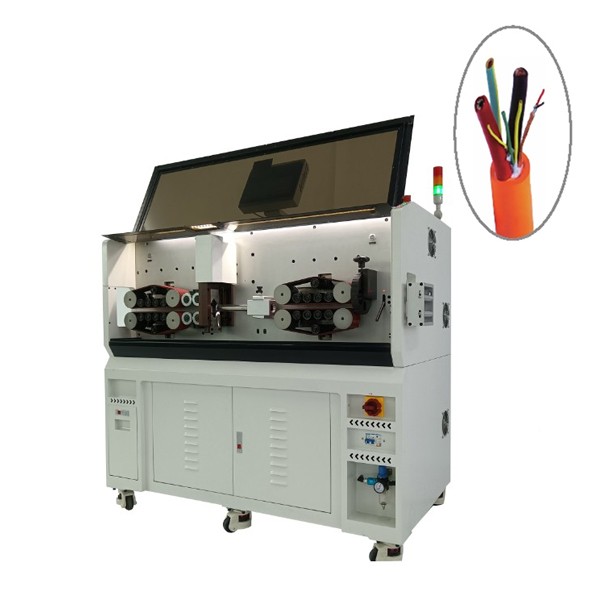
Machine prices vary based on automation levels, motor power, and wire capacity. You can select an ideal wire cutting stripping machine by matching equipment features directly to your daily production volume.
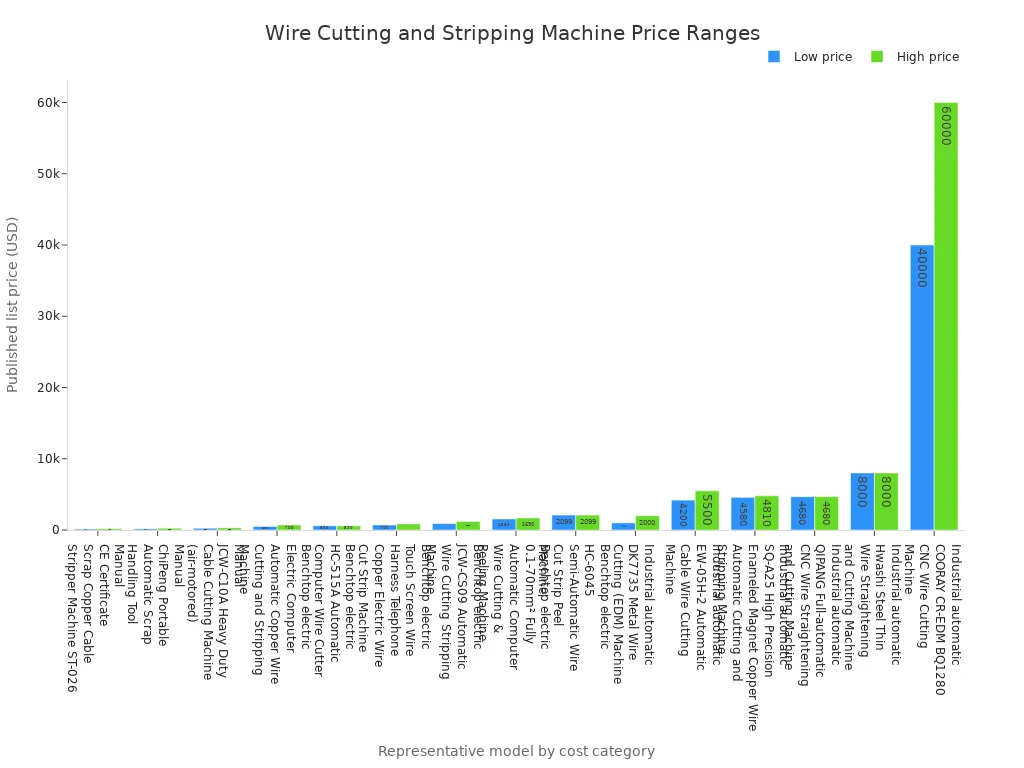
Manual and Entry-Level Models
Manual tools offer cheap entry points for simple assembly projects. Handheld strippers cost between $17 and $27. Larger manual scrap handling tools cost slightly more. Portable models like the CE Certificate ST-026 scrap copper cable stripper cost $136-$198. The ChiPeng portable scrap handling tool costs $165-$250. Air-motored benchtop cable cutters like the JCW-C10A heavy duty cable cutting machine cost $250-$300. You can deploy these entry-level tools for small batch jobs or field repairs.
Small-scale workshops often upgrade to mid-range electric strippers. Basic mid-range electric units range from $60 to $400. These machines handle routine wiring tasks without requiring heavy capital investments. Higher-capacity benchtop electric models provide greater computer control for higher daily production yields:
Cost category | Representative model(s) | Published list price range |
|---|---|---|
Manual / portable | ST-026 Scrap Copper Cable Stripper Machine | $136-$198 |
Manual / portable | ChiPeng Portable Automatic Scrap Handling Tool | $165-$250 |
Manual / portable | JCW-C10A Heavy Duty Cable Cutting Machine | $250-$300 |
Benchtop electric | Electric Computer Automatic Copper Wire Cutting and Stripping Machine | $500-$700 |
Benchtop electric | HC-515A Automatic Computer Wire Cutter | $590 |
Benchtop electric | Touch Screen Wire Harness Telephone Copper Electric Wire Cut Strip Machine | $700-$850 |
Benchtop electric | JCW-CS09 Automatic Wire Cutting Stripping Machine | $900-$1,200 |
Benchtop electric | Fully Automatic Computer Wire Cutting & Peeling Machine | $1,550-$1,690 |
Benchtop electric | HC-6045 Semi-Automatic Wire Cut Strip Peel Machine | $2,099 |
Automatic Industrial Machines
High-volume manufacturing facilities require heavy-duty automated systems. You can process thousands of wire leads hourly with an industrial wire cutting stripping machine. Dedicated industrial automatic machines process tough insulation layers quickly while keeping delicate conductor strands intact.
Industrial solutions like Hechang wire cutting and stripping machines range from $3,000 to over $9,000 for heavy-duty cable processing. Advanced Hechang models process ultra-thin wires from AWG24–AWG36 up to heavy-duty industrial cables up to 240mm². These reliable units remove insulation layers cleanly without damaging the inner wire core. Specialized Hechang designs also support multi-core jacket stripping, rotating cutting, flat ribbon cables, and wire twisting capabilities.
Other specialized industrial machinery covers distinct price brackets based on core manufacturing requirements:
Cost category | Representative model(s) | Published list price range |
|---|---|---|
Industrial automatic | DK7735 Metal Wire Cutting (EDM) Machine | $1,000-$2,000 |
Industrial automatic | EW-05H-2 Automatic Cable Wire Cutting Machine | $4,200-$5,500 |
Industrial automatic | SQ-A25 High Precision Enameled Magnet Copper Wire Automatic Cutting and Stripping Machine | $4,580-$4,810 |
Industrial automatic | QIPANG Full-automatic CNC Wire Straightening and Cutting Machine | $4,680 |
Industrial automatic | Hwashi Steel Thin Wire Straightening and Cutting Machine | $8,000 |
Industrial automatic | COORAY CR-EDM BQ1280 CNC Wire Cutting Machine | $40,000-$60,000 |
Heavy industrial equipment maximizes total factory throughput. You achieve rapid processing speed, maintain consistent cutting accuracy, and lower ongoing labor expenses on every manufacturing run.
Key Features Driving Machine Prices
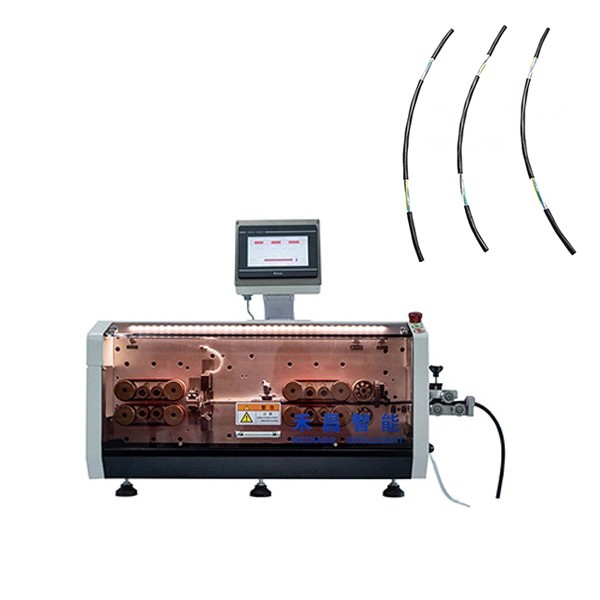
Machine pricing varies based on internal component quality and overall processing capabilities. You pay higher upfront prices for equipment that supports demanding shop floor applications.
Wire Gauge and Material Capacity
Material versatility heavily drives baseline equipment pricing. Automatic machines processing copper, aluminum, and multi-strand insulated cables cost more than single-purpose units. Broad material compatibility requires strong drive motors and adjustable mechanical systems. Higher initial costs deliver greater flexibility across diverse manufacturing projects.
Compatibility factor | Effect on equipment pricing |
|---|---|
Wire gauge range | Broader gauge compatibility increases overall machine price. |
Processing volume | Price scales directly with target volume capacity. |
Build durability | Hardened steel construction raises cost but reduces downtime. |
A broad wire gauge capacity increases total equipment costs. Advanced systems process ultra-thin wire from AWG24–AWG36 up to heavy industrial cables reaching 240mm². Basic tools lack precise calibration settings. Using an incompatible wire gauge on basic machinery jams cutting blades and damages inner conductor cores.
Hardened steel or aircraft-grade aluminum frame construction raises machinery prices. Premium structural metals withstand continuous high-volume wire stripping operations. Heavy-duty framing protects internal gear drives, minimizes mechanical vibration, and prevents expensive production downtime in busy assembly plants.
Processing Speed and Precision
Processing speed and cutting precision directly control machinery pricing. High-speed equipment utilizes computerized microprocessors and high-torque electric motors. These advanced automation systems guarantee exact strip lengths without scratching sensitive wire conductors. High precision levels eliminate manual rework and streamline factory assembly workflows.
Investing in a computerized wire cutting stripping machine accelerates daily manufacturing output. Integrated microcontrollers allow quick program changes for different lead lengths. Automated blade adjustments eliminate setup errors and minimize raw material waste across large production lots. High-speed processing delivers thousands of finished leads every work shift.
Industrial drive systems manage multi-layer jacket stripping, rotating cutting, and wire twisting tasks cleanly. High-speed motors maintain stable cutting power during long operational runs. Superior machine precision guarantees uniform wire strip results and optimizes overall harness quality.
Hidden and Maintenance Costs
Blades and Consumable Parts
Equipment sticker prices reflect only your initial machinery investment. You must track ongoing operational expenses to budget effectively for your wire processing facility. High-volume wire cutting and stripping machinery relies on consumable components that wear down during continuous factory operations. Rubber feed rollers, wire guide tubes, drive belts, and pneumatic seals require periodic replacement to maintain consistent wire feeding performance and prevent material slipping. Understanding these ongoing material costs helps you calculate your true cost per wire lead accurately.
Cutting blades represent another major recurring expense for wire harness manufacturers:
Standard blades typically need replacement or sharpening every 100,000 cycles.
Precision die blades require frequent calibration routines to maintain aerospace-grade tolerances.
Calibration routines and blade replacement intervals create line downtime during daily production changeovers.
Stocking essential replacement parts minimizes costly operational disruptions on your assembly floor. Factoring these recurring consumable costs into your equipment evaluation ensures accurate total cost calculations over the working lifetime of your machine.
Shipping and Warranties
Heavy industrial machinery requires specialized freight shipping, customs clearance, and careful logistics handling. Overseas or domestic transportation fees increase your initial purchase cost based on total equipment weight and physical delivery distance. Rigid export crating, transit insurance, and liftgate unloading services add necessary expenses to your final delivery invoice. Proper shipping preparation prevents physical damage during transit and protects sensitive internal electronics. You should request comprehensive freight quotes early to avoid unexpected budget surprises before installation day.
Warranty coverage directly protects your machinery investment against costly mechanical failures and electrical component breakdowns. Basic manufacturer warranties usually cover replacement parts for one year. Extended service contracts provide scheduled calibration visits, priority technical support, and rapid emergency hardware delivery. Choosing robust warranty coverage minimizes unexpected repair bills, protects your capital investment, and maintains stable factory productivity during high-volume production runs.
Evaluating ROI for a Wire Cutting Stripping Machine
Labor Savings vs. Upfront Outlay
Investing in high-precision automated equipment transforms your factory financial outcomes. Manual tools carry a low initial cost between $20 and $150. However, manual stripping produces only 15 to 30 strips per minute and causes a high conductor damage rate between 3% and 8%. Advanced systems like the Hechang series cut material waste and prevent core damage across thin AWG24–AWG36 wire and heavy 240mm² cable. Semi-automatic models range from $800 to over $15,000 while delivering 150 to 500 strips per minute with under 3% damage. Fully automatic machinery operates up to 15 times faster than manual methods and keeps conductor damage under 1%.
You can evaluate equipment profitability by calculating your payback period:
Payback period = Total capital investment / Net annual operating savings
Your total capital investment includes the purchase price, shipping, installation, spare blades, and training. Net annual savings combine direct labor cost reductions and minimized raw material scrap. You can determine net annual savings through simple calculation steps:
Calculate current annual labor expenses by multiplying worker hourly rates by total yearly manual processing hours.
Estimate projected annual labor expenses under automated machinery processing speeds.
Calculate yearly raw material scrap savings by multiplying cable material costs by reduced strand damage percentages.
Subtract projected automated operational costs from current manual labor expenses and add yearly material scrap savings.
Divide your total initial capital investment by your net annual savings to establish your payback period in months.
Consider a mid-sized facility processing 3,000 wires daily with a worker labor rate of $25 per hour. Manual processing creates an annual labor cost of $75,000. Upgrading to an automatic wire cutting stripping machine drops your annual labor expense to $6,250. This shift generates $68,750 in annual labor savings. Production runs above 1,500 wires daily deliver a positive return on investment within six months.
Equipment costs range from $17 to over $9,000 across manual, mid-range, and industrial categories. Machine prices correlate directly with automation level, processing speed, and wire gauge capabilities. You maximize your return on investment by choosing a wire cutting stripping machine based on production volume rather than initial purchase price. Modern tool-free programmable systems reduce changeover time by 60–80%, saving up to two hours per shift. Fully automatic machinery delivers a 10–17× speed increase over manual processing. For example, a $25,000 automatic machine pays back in about 0.34 years through $72,750 in annual labor savings. Business owners must assess long-term operational savings and total cost of ownership when investing in reliable industrial-grade equipment.
FAQ
How much does an entry-level wire stripping machine cost?
Entry-level manual wire strippers cost between $17 and $27 for simple handheld tools. Portable benchtop models and small scrap copper strippers range from $136 to $300. These budget options work well for small batch jobs and field repairs.
What is the price range for industrial automatic machines?
Industrial automatic machines generally cost from $3,000 to over $9,000. Advanced industrial systems handle heavy processing demands, multi-core jacket stripping, and specialized cable cutting. Higher price tags reflect greater motor power, faster speed, and automated computerized controls.
How does wire gauge capacity affect total machinery cost?
Machines with broader wire gauge capacities cost more upfront. Units processing ultra-thin wires from AWG24–AWG36 up to large 240mm² industrial cables require precision calibration and heavy-duty components. Spending more on gauge capacity gives you maximum flexibility across production projects.
What hidden costs should you plan for after purchasing?
You must budget for consumable parts, shipping fees, and extended warranties. Rubber feed rollers and cutting blades wear out during normal operation. Freight delivery, transit insurance, and emergency technical support contracts also add to your total cost of ownership.


View More(Total0)Comment lists