


Key features to compare when selecting a terminal crimping machine supplier
 Nov 17, 2026|
 View:7
You face a crowded market when you search for a terminal crimping machine supplier. The choice you make shapes crimp quality, uptime, and long-term cost. A machine that fits your wire range and terminal types protects your output. A supplier who answers fast protects your schedule.
This guide gives you a practical way to compare any shortlist. You will learn which features to check, which questions to ask, and how to score each option side by side. Use it as a checklist. Apply it to every supplier you consider, and let the evidence guide your final decision.
Key Takeaways
Check crimping force and precision to ensure strong, reliable connections.
Match machine speed and changeover time to your production volume.
Verify tooling compatibility and die quality for consistent crimps.
Look for smart quality checks and compliance to avoid defects.
Evaluate total cost and supplier support for long-term value.
Crimping Force and Precision
Force ratings to compare
Start your comparison with the force rating on each datasheet. Crimping force determines how completely the terminal barrel deforms around the wire. A machine with too little force leaves a loose connection. Too much force can crack the barrel or damage strands. Match the rating to your heaviest terminal and largest wire size first, then confirm the machine still controls force at the light end of your range.
Ask each supplier for the force range and the wire cross-sections it covers. A wide, well-documented range signals a machine built for mixed production. HECHANG rates the HC-20TS for 10–120mm², a span that suits large cable assemblies. The HC-30T hydraulic model serves heavy-duty crimping where hydraulic force gives you stable results on thick conductors.
Precision and repeatability
Force alone does not make a good crimp. You also need precision. Check the aperture size the die produces and the crimp height the machine holds across a production run. Repeatability matters more than a single perfect sample. Ask how the supplier measures crimp height and what tolerance it guarantees.
Compare units carefully across vendors. One supplier may quote crimp height in millimeters and another in inches. One may state tolerance as a range and another as a percentage. Convert everything to one unit before you score the options. Request sample crimps from each supplier and measure them yourself with a crimp height gauge.
HECHANG engineers its machines for high precision. That design goal supports accurate terminal crimping and reliable electrical connections run after run. Precision at this level protects your electrical connections and reduces rework on the line.
Speed and Throughput
Cycle time vs. volume
Match machine speed to your real production volume, not to the highest number on a brochure. Calculate your daily crimp count first. Then compare each machine's cycle time against that figure. A machine that crimps faster than your line can feed it adds no value. A machine that runs slower than your takt time becomes a bottleneck every shift.
Fast operation matters most when it stays reliable. Ask each supplier how the machine holds speed across a full shift and how simple it is to operate. Easy operation shortens the learning curve for new operators and reduces stoppages. HECHANG builds its machines for high efficiency, which saves time and boosts productivity on the line. Pneumatic models such as the HC-02 and hydraulic models such as the HC-30T each suit different volume profiles, so compare them against your own output target.
Changeover and setup
Changeover time often decides real throughput more than raw cycle speed does. A machine that switches terminal types in minutes keeps a mixed-product line moving. A slow changeover forces you to batch jobs and hold extra work in progress. Ask how each supplier handles die changes, wire size adjustments, and setup checks, then time a changeover during a demo.
Semi-automatic operation gives you precise crimps with a controlled setup for each job. Single-action crimping goes further. The operator inserts the contact, and the machine crimps it in one go. That pattern cuts handling time per terminal and reduces operator error. Compare how many steps each machine demands from load to finished crimp, and score the supplier whose workflow fits your operators and your volume.
Tooling and Die Compatibility
Terminal and wire range
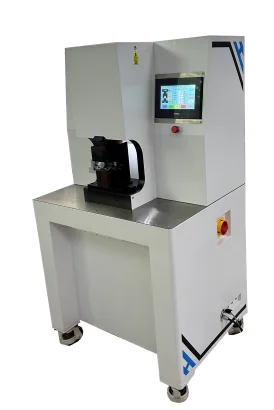
Match the machine's wire size and stripping capabilities to your application before you compare anything else. List the smallest and largest wire cross-sections you run, then check each machine against that span. A machine rated only for small wires will struggle on heavy cable, and a large-frame press may lack the fine control your small terminals need. Ask each supplier for the rated wire range and the stripping length the machine handles.
Terminal compatibility deserves equal attention. Collect samples of every terminal family you use, including insulated and uninsulated types, and ask the supplier to confirm the machine accepts them. HECHANG covers this range well. The HC-2BT handles basic stripping and crimping up to AWG15 with stable, precise stripping, while the HC-20TS serves 10–120mm² cable. That spread lets you match one supplier to both simple and advanced work.
Die quality and lead times
Die quality decides crimp consistency over the life of the machine. Ask what steel each die set uses. Dies made of super hard tool steel resist wear and hold an accurate aperture size through long production runs. A worn die drifts out of tolerance and quietly produces weak crimps. Request the die material specification and the expected service life in crimp cycles.
Tooling development capability separates a strong supplier from a catalog seller. Describe a terminal that is not yet in the supplier's range and ask how they would approach a custom die. Confirm the lead time for new tooling in writing. Some connector designs also require seal crimping with a separate wire seal, often called a waterproof plug. Check that the supplier offers dies for this step when your connector design calls for it. HECHANG's line runs from basic stripping and crimping to advanced applications, so you can source standard and specialized tooling from one partner.
Automation and Smart Quality Checks
Automation levels to compare
Map the automation level of each machine to your line before you compare prices. Manual and semi-automatic machines give your operator control over each crimp. Semi-automatic operation suits precise crimps and mixed batches, where a controlled setup for each job matters more than raw speed. Fully automated stations feed, strip, and crimp with minimal handling, and they pay off on high-volume runs with few terminal changes.
Integration decides how well a new machine fits your existing line. Ask each supplier how the machine connects to your feeding system, your conveyor, and your production software. Confirm the footprint, the power supply, and the interface options in writing. A machine that drops into your current workflow without custom engineering saves you installation time and startup cost. Request a line layout review from each supplier and score how much adaptation each option demands.
Built-in quality monitoring
Smart quality checks separate a modern machine from a basic press. Ask whether the machine verifies crimp quality during operation. Automatic check functions can flag a missing wire, a bad strip, or a crimp height that drifts outside tolerance while the line runs. That early warning stops a bad batch before it reaches your customer.
Data collection and traceability extend the value of those checks. Confirm whether the machine logs crimp parameters, stores them by job, and exports them for your quality records. Traceability helps you answer a customer complaint with real production data instead of guesswork. Ask each supplier for a sample report and test how easily your team can read it. Score the supplier on the depth of monitoring, the clarity of the data, and the effort required to set it up.
Regulatory Compliance
Safety and electrical standards
Verify the safety and electrical standards each machine meets before you shortlist a supplier. Ask for the electrical rating of the machine and confirm it matches your facility's supply. Check the safety features built into the design, such as guarding around the crimping zone, emergency stop controls, and protection against accidental actuation. These features protect your operators every shift.
The standards that matter depend on where you sell your finished product. A machine bound for a regulated market must carry the safety marks that market requires. Ask each supplier which standards the machine is tested against and request the test evidence. A supplier who answers clearly and quickly gives you confidence in the machine. A vague answer is a warning sign worth noting in your comparison.
Documentation and certifications
Ask every supplier for a documentation package with the quotation. The package should include the declaration of conformity, test reports, and the certificate for each safety mark the machine carries. Confirm that the certificate names the exact model you plan to buy. A certificate for a different model tells you nothing about your machine.
Certifications expire and standards change. Check the issue date on each document and confirm it is current. Ask the supplier how they handle updates when a standard changes. A supplier with a dedicated technical team can answer this question with specifics. HECHANG supports buyers with a dedicated team for technical assistance and maintenance, and that team can supply the compliance documents your quality system needs. Score each supplier on the completeness of the package and the speed of the response.
Cost of Ownership
Purchase price vs. total cost
A low purchase price can hide a high total cost. Weigh the two together before you score any supplier. Total cost of ownership covers the machine price, the dies, the maintenance, the energy, and the downtime over the years you run it. A durable machine that costs more up front often wins on this measure. It holds its crimp height longer, needs fewer repairs, and keeps your line running.
Ask each supplier for the expected service life of the frame and the dies. Request a maintenance schedule with the quotation. Compare how often each machine needs service and how long each service takes. A machine that stays in tolerance through long production runs protects your output year after year. Durability is a key comparison factor, not a footnote.
Consumables and maintenance
List every consumable each machine uses. Dies, blades, seals, and lubricants all carry a cost per crimp. Ask each supplier for the replacement interval and the price of each part. Multiply that cost by your annual volume to see the real running cost. Energy matters too. Compare the power draw of each model against your duty cycle.
Maintenance demands your time as well as your money. Ask how much routine upkeep each machine needs and whether your own team can handle it. HECHANG offers competitive pricing for cost-effective solutions. The company supplies 200 sets per month, holds stock, and ships customized machines in 7–30 days. You can order a single set as the minimum order quantity. Flexible payment and shipping terms give you room to compare. Score each supplier on these terms alongside the technical features.
Terminal Crimping Machine Supplier Support
Technical support and training
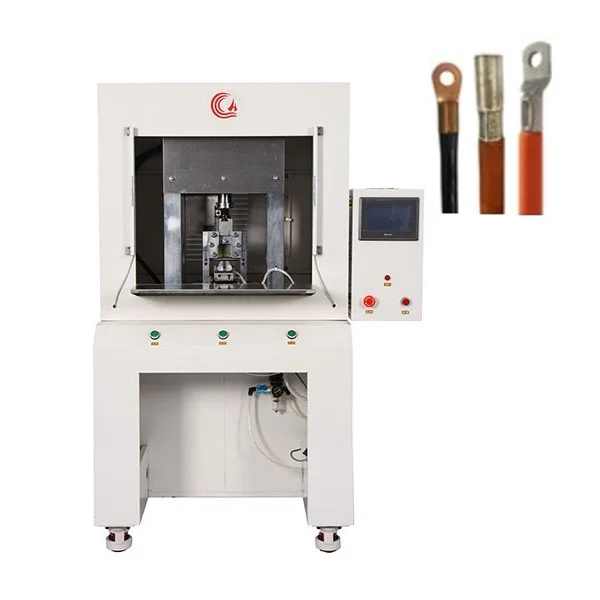
Ask each terminal crimping machine supplier how they train your operators. A good supplier offers hands-on setup training, a clear manual, and a named contact for questions. Training should cover die changes, crimp height checks, and routine upkeep. Confirm whether training happens at your site or remotely, and who pays for travel. A supplier who trains your team well shortens startup time and prevents small errors from becoming costly ones.
A dedicated team for technical assistance and maintenance matters more than a general sales line. You want to reach someone who knows the machine when a crimp drifts out of tolerance mid-shift. Ask how you reach that team, what hours they cover, and whether they speak your language. HECHANG supports buyers with a dedicated team for technical assistance and maintenance. That structure gives you a direct path to help instead of a ticket queue.
Spare parts and response
Spare parts availability decides how fast you recover from a breakdown. Ask each supplier which parts they stock, where they hold them, and how quickly they ship. Dies, blades, and seals wear out on a predictable schedule, so confirm the supplier keeps them ready. Request a spare parts list with prices alongside the quotation. Compare the lead time for each critical part across your shortlist.
Service response time deserves the same scrutiny. Ask each terminal crimping machine supplier for their stated response time and how they measure it. A supplier who answers within hours keeps your line running. A supplier who answers within days costs you production. Check whether the supplier offers remote diagnostics before a site visit. Score every option on parts availability, response speed, and the clarity of their service terms.
Weigh four features above all others: crimping force and precision, tooling and die compatibility, smart quality checks, and supplier support. These four decide whether your crimps hold tolerance and whether your line recovers fast from a problem.
No single feature settles the choice. The right terminal crimping machine supplier balances technical fit, compliance, and total cost for your application. A machine that wins on force may lose on die lead times. Score the whole picture.
Turn these features into a side-by-side checklist. Score every terminal crimping machine supplier against it before you decide. The comparison you build today protects your crimp quality, your uptime, and your long-term cost.
FAQ
How do I narrow a long list of suppliers to a shortlist?
Start with your wire range and terminal families. Drop any option that cannot cover both ends of your production. Then request sample crimps, die material specifications, and a compliance package from each remaining supplier. Score the responses side by side. A shortlist of three gives you enough evidence to compare without wasting time.
What should I request with every quotation?
Ask for the force range, rated wire cross-sections, die material, and expected die life. Add a spare parts list with prices, a maintenance schedule, and the declaration of conformity. Confirm lead times in writing. A terminal crimping machine supplier who sends a complete package up front usually supports you well after the sale.
How can I verify crimp quality before I buy?
Request sample crimps on your own terminals and wire sizes. Measure crimp height yourself with a gauge and check the aperture size. Run a short batch and inspect for strand damage or loose barrels. Ask whether the machine offers automatic check functions that flag quality drift during operation.
How do I compare suppliers when prices differ widely?
Compare total cost of ownership, not the sticker price. Add die replacement, consumables, energy, and downtime over the machine's service life. Weigh durability and support response time in the same score. Flexible terms help too. HECHANG, for example, accepts a minimum order of one set and ships customized machines in 7–30 days.
Which support terms matter most?
Look for a dedicated team for technical assistance and maintenance, not a general sales line. Confirm operator training, whether on site or remote. Ask which spare parts the supplier stocks and their stated response time. Compare those answers across your shortlist and score them like any technical feature.


View More(Total0)Comment lists