


What features should you consider when buying a professional wire stripping machine
 Sep 17, 2026|
 View:6
Choosing the right professional wire stripping machine comes down to a few decisive features. You must evaluate stripping capacity, precision and adjustability, speed and throughput, wire types and sizes, blade quality and replacement, safety mechanisms, ease of use and controls, durability and maintenance, automation and integration, and cost and value. Your goal is to match each feature to your specific wire processing needs. This alignment directly affects your efficiency, accuracy, and long-term durability. When you consider your cable types, production volume, and daily operations, you select a machine that performs reliably. A thoughtful evaluation saves time and reduces waste.
Key Takeaways
Match the machine's stripping capacity to your common wire sizes and insulation types.
Adjust blade depth and strip length precisely to avoid damaging conductors.
Choose a machine with durable blades and essential safety features like guards and emergency stops.
Consider automation and maintenance needs to keep your production efficient.
Evaluate total cost, including warranty and spare parts, not just the purchase price.
Core Features of a Wire Stripping Machine
Stripping capacity and wire range
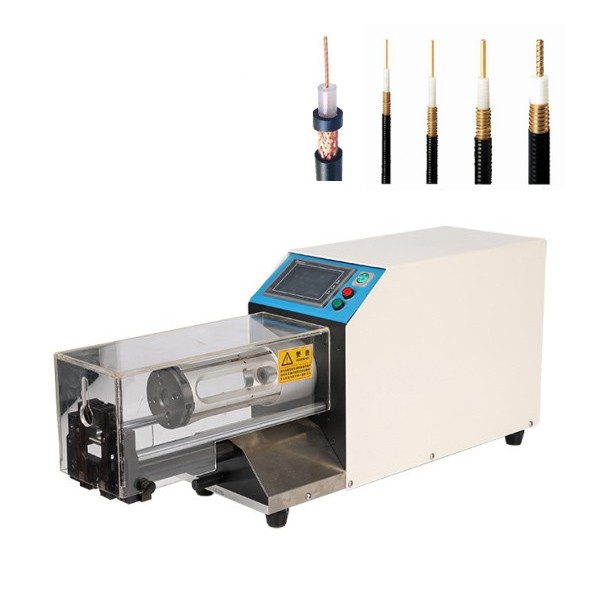
Your first consideration is whether the machine can handle the cables you process daily. Stripping capacity refers to the range of wire diameters and gauges a machine accepts. You need to match this range with your wire gauge, insulation thickness, and conductor type. Solid copper wire behaves differently from stranded wire. Specialty cables like coaxial or multi-conductor cables require specific handling. A machine designed for solid wire may struggle with flexible stranded conductors.
A wire stripping machine with a narrow range limits your production flexibility. You might process 14 AWG solid wire one day and 8 AWG stranded cable the next. Your machine should handle both without compromising quality. Hechang's HC-100B, HC-200B, and HC-300B rotary stripping machines handle wire diameters from 10mm to 50mm. This range covers many industrial applications, from small control cables to larger power cables.
Insulation thickness matters as much as wire diameter. Thick insulation on high-voltage cables needs deeper cuts and more blade travel. Thin insulation on delicate signal cables needs gentle handling to avoid conductor damage. You need a machine with enough adjustment range to accommodate both thickness extremes. Confirming your typical wire sizes before purchasing saves you from buying a machine that cannot process your most common cables. Always check the manufacturer's specification sheet against your cable inventory before making a decision.
Precision and adjustable depth settings
Precision separates a basic stripper from a professional-grade machine. You need adjustable depth settings to strip insulation cleanly without nicking the conductor underneath. Each cable type has a different insulation thickness, even for the same conductor size. Adjustable blade pressure lets you match the cutting depth precisely.
The table below shows the adjustable features that protect stranded conductors during stripping:
Adjustable Feature | Mechanism | Benefit for Stranded Conductors |
|---|---|---|
Blade depth / gripping pressure | Adjustment screw or control knob | Lets you reduce cutting pressure when processing delicate stranded conductors and adapt to the same conductor size with different insulation thicknesses |
Strip-length control | Mechanical stop that is fixed, indexed, or continuously adjustable | Achieves consistent strip length so only the required copper is exposed, reducing loose strands outside the barrel |
Blade alignment | Even meeting of both stripping sides | Prevents deeper cutting on one side of the conductor; poor alignment causes one-sided scratching, bending, or inconsistent results |
Manual feedback | Operator feel during stripping | Allows stopping when excessive resistance occurs, useful for delicate stranded wire |
Follow this process when adjusting your machine for a new cable type:
Confirm the conductor range and verify the tool instructions cover the cable's insulation material and construction before adjusting anything else.
Set the strip length stop so only the copper required by the terminal barrel or connector is exposed. Excessive bare copper raises short-circuit and corrosion risk.
Set blade pressure starting near the middle or lighter side of the adjustment range. Increase only enough to cut insulation cleanly without marking the conductor.
Adjust one variable at a time. If the jacket does not release, add slight pressure. If copper is marked, reduce pressure and cut a fresh test end.
Read damage signs before further adjustment. Too little pressure stretches or tears insulation. Too much pressure scores solid copper or flattens strands. Reduce pressure immediately and remove the damaged section.
For stranded conductors, inspect the copper surface for cut, missing, or flattened strands. Confirm the bundle remains compact and evenly twisted. Re-center the wire and keep it straight during the stroke if damage appears.
This step-by-step approach reduces waste and protects expensive cable. A machine with fine depth adjustment gives you the control you need for consistent results across different wire types. Adjustable stripping length and blade pressure are essential features in any professional wire stripping machine. Without these adjustments, you risk damaging conductors or leaving insulation behind, both of which cause rejections and rework.
Speed, Blade Quality, and Safety
Cycle speed and throughput
Cycle speed determines how many wires you process per hour. A machine with a fast cycle time boosts your production volume without adding labor. You measure throughput in completed strips per minute or per shift. High-volume operations need machines that keep pace with assembly lines. Low-volume shops can accept slower cycles if precision remains high.
Motorized settings give you repeatable control over critical parameters. You can set wire size, strip length, and pull-back length with motor-driven adjustments. These settings reduce setup time and eliminate manual guesswork. A motorized pull-back length ensures the blade retracts the same distance every cycle. This consistency prevents conductor damage across thousands of strips.
Consider your production targets before choosing a model. If you strip 500 wires per shift, a machine with a slow cycle creates a bottleneck. If you strip 50 specialty cables daily, speed matters less than precision. Match cycle speed to your actual volume, not to the highest number on a spec sheet. A balanced choice keeps your workflow smooth and your operators productive.
Blade durability and safety mechanisms
Blade quality directly affects strip consistency and long-term operating cost. Blades made from high-grade tool steel or carbide hold their edge longer than standard steel. Sharp blades cut insulation cleanly. Dull blades tear insulation and nick conductors. You should check blade sharpness regularly and replace blades on a set schedule. Durable cutting jaws also matter. Jaws that lose alignment cause inconsistent strips and require frequent adjustment.
The table below compares key blade and safety considerations:
Factor | What to Check | Why It Matters |
|---|---|---|
Blade material | Tool steel or carbide construction | Longer edge life and fewer replacements |
Replacement cycle | Manufacturer's recommended interval | Prevents poor strip quality and conductor damage |
Cutting jaws | Hardened, aligned construction | Maintains consistent strip results over time |
Safety guards | Physical barriers around blades | Protects hands from accidental contact |
Sensors | Presence detection near cutting zone | Stops operation when obstructions appear |
Emergency stops | Clearly marked, easily reachable | Halts the machine instantly in an emergency |
Safety features protect your operators and reduce liability. Guards shield the cutting area during operation. Sensors detect obstructions and stop the cycle before injury occurs. Emergency stops must sit within easy reach of the operator. Never bypass these features for speed. A safe workplace keeps your team productive and your operation running.
Hechang's wire stripping machine lineup uses advanced cutting mechanisms and high-grade construction. This build quality delivers long-term reliability in demanding factory environments. The robust frames and precision components reduce downtime and extend service life. You get a machine that handles heavy-duty usage without constant repairs.
Ease of Use and Wire Types
Controls and ergonomic design
Intuitive controls shorten your setup time and reduce operator fatigue. You want a machine with clear labels, simple menus, and logical button placement. A complicated interface forces operators to memorize sequences. That leads to mistakes and slower changeovers. Ergonomic design matters just as much. A machine at the wrong height causes back strain over a long shift. Good cable feed angles reduce wrist stress. Portable frame options give you flexibility to move the machine between workstations. Automatic wire-size adjustment further simplifies changeovers. You enter the wire gauge, and the machine sets the blade depth for you. This feature removes manual trial-and-error and helps new operators reach consistent results faster.
Choosing a wire stripping machine for your wire range
Different cable constructions demand different stripping technologies. Rotary stripping machines suit coaxial cables because the rotary head rotates around the cable. This action cuts insulation 360 degrees evenly and preserves the concentricity of the cable core. Multi-step stripping machines handle layered conductors with programmable sequences. You can control cut depth for each layer independently, which eliminates conductor scoring. Servo-driven cable feed keeps strip length accurate across all layers. Digital recipe storage lets you switch between cable types quickly.
The table below compares manual stripping with rotary technology:
Performance Metric | Manual/Traditional Stripping | Rotary Technology |
|---|---|---|
Stripping Accuracy | Variable (Human dependent) | ±0.01 mm depth control |
Layer Processing | Multiple steps/tools required | Up to 9 layers in one cycle |
Setup Time | Manual adjustment (Slow) | Digital library (Quick Changeover) |
Defect Rate | 3% - 8% average | Controlled below 0.1% |
Hechang offers models for specific wire types. The HC-8015 handles feeder cables and micro-coaxial cables with tough precision requirements. The HC-8022 and HC-8030 process large coaxial cables and special round wires, stripping multi-layered conductors in up to 9 steps. The HC-4505 specializes in multi-layer cable cutting and stripping. Match the machine to your cable inventory before you buy.
Durability, Automation, and Cost
Maintenance and automation
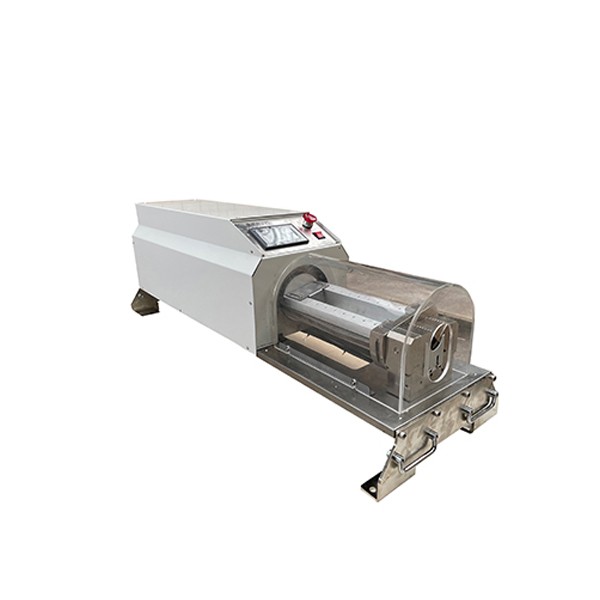
A machine built for heavy daily use needs minimal maintenance. You should look for robust construction. High-grade materials resist wear over time. Regular tasks include blade replacement and roller cleaning. You also need occasional lubrication. Machines with sealed bearings and hardened cutting jaws reduce your maintenance frequency. You want quick access to wear parts. You should not need to disassemble the whole frame. A well-planned maintenance schedule prevents unexpected breakdowns. It keeps your production line running smoothly.
Automation features help you integrate a wire stripping machine into your existing production line. Programmable controllers store settings for different cable types. You load a recipe. The machine adjusts blade depth, strip length, and pull-back automatically. This integration reduces changeover time between batches. You can connect the machine to upstream and downstream equipment for continuous processing. Automated feeding and ejection systems keep your line moving without operator intervention. The right automation level matches your production volume and reduces labor costs. You also get consistent quality with repeated settings.
Cost, value, and support
Upfront price is only part of the equation. You must weigh it against long-term operating costs. A cheaper machine may require frequent blade replacements and repairs. A well-built machine costs more initially. It delivers lower total cost over its lifetime. You should calculate expected blade consumption and roller wear. Compare repair frequency before choosing a model.
The table below summarizes after-sales support factors that industrial buyers prioritize when evaluating value.
After-Sales Support Factor | What Buyers Prioritize | Impact on Machine Value |
|---|---|---|
Warranty length | Basic manufacturer warranties typically cover replacement parts for one year; extended service contracts are also considered | Protects against mechanical failures and electrical breakdowns, minimizing unexpected repair bills and safeguarding capital investment |
Spare parts availability | Stocking essential replacement parts such as rubber feed rollers and cutting blades that wear out during normal operation | Reduces costly operational disruptions on the assembly floor and supports accurate total cost of ownership calculations |
Extended service contracts | Scheduled calibration visits, priority technical support, and rapid emergency hardware delivery | Maintains stable factory productivity during high-volume production runs |
Technical support | Emergency technical support contracts and priority support access | Adds to total cost of ownership but prevents prolonged downtime |
Consumable parts budgeting | Planning for recurring consumable costs (rollers, blades) | Ensures accurate lifetime cost evaluation of the equipment |
You should check the warranty length before purchasing a wire stripping machine. A one-year warranty on replacement parts is standard. Extended service contracts give you scheduled maintenance visits and priority support. Global spare parts availability matters when a worn roller stops your line. Hechang offers customization options and fast delivery. They provide worldwide spare parts availability. These services reduce downtime and protect your investment. A reliable partner adds real value beyond the machine itself. You get peace of mind knowing support is available when you need it.
Stripping capacity, precision, blade quality, safety, and durability form the foundation of any professional wire stripping machine. These features directly impact your production quality and long-term operating costs. The best machine matches your specific wire types, daily volume, and budget constraints. No single model works for every workshop.
List your must-have features before you purchase. Write down your most common cable sizes and daily production targets. Compare each model against that list. Check for adjustable depth settings and blade replacement cycles. A thorough evaluation helps you select the equipment that delivers consistent results for years. Take the time to match the machine to your real needs. Your production efficiency depends on this careful choice.
FAQ
How do I know which stripping capacity fits my cables?
Check your most common wire diameters first. Measure both the conductor and the insulation thickness. Hechang's HC-100B, HC-200B, and HC-300B rotary models handle 10mm to 50mm diameters. Match the machine's range to your cable inventory before you buy.
Can one machine strip both coaxial and multi-layer cables?
Not always. Coaxial cables need rotary stripping to cut insulation evenly around the core. Multi-layer conductors need programmable step control. Hechang's HC-8022 and HC-8030 strip up to 9 layers in one cycle. The HC-8015 targets feeder and micro-coaxial cables specifically.
How often should I replace the blades?
Blade life depends on your wire volume and insulation material. Check sharpness regularly and follow the manufacturer's recommended replacement interval. Dull blades tear insulation and nick conductors. Hechang builds its machines with high-grade cutting mechanisms to extend blade service life.
What safety features should I look for?
You need physical guards around the cutting zone, presence sensors, and clearly marked emergency stops. These features protect operators from accidental contact. Never bypass them for faster cycles. A safe workplace keeps your team productive and your line running.
Is a cheaper machine worth the lower upfront price?
Compare total operating cost instead. Cheap machines often need frequent blade replacements and repairs. Check warranty length, spare parts availability, and technical support. Hechang offers customization, fast delivery, and global spare parts access. These services reduce downtime and protect your investment over time.
I want to comment
Recommended Products

HC-715C Wire Stripping Machine(Belt feeding) with laser machine

HC-608L1 Large wire stripping machine

HC-6045 electric wire stripping machine

HC-S04 Fully automatic enameled wire stripping machine

HC-100B/HC-200B/HC-300B Wire stripping machine dia 10mm-50mm

HC-4F Vertical type wire stripping machine (semi-automatic)


Recent News
1.Why is a chinese wire stripping machine manufacturer preferred by global buyers
2026-08-282.How much is a wire stripping machine
2026-07-213.What is wire stripping machine used for in cable processing industry
2026-06-304.What is the best automatic wire stripping machine
2026-05-275.How to use automatic wire stripping machine
2026-05-20


View More(Total0)Comment lists