


Why invest in a wire taping machine for cable production
 Nov 24, 2026|
 View:12
Consistent tape tension and lay, higher throughput, and less rework make a strong case for upgrading your cable line. A wire taping machine holds tension steady and lays tape flat, so every wrap matches the last. Your operators finish more harnesses per shift, and fewer units come back for a second pass.
This guide gives you a clear decision path. You will see how performance, application fit, compliance, cost, and alternatives weigh against each other. Use it to match a machine to your production goals and to judge the real return on your investment.
Key Takeaways
A wire taping machine ensures consistent tape tension and lay, reducing rework and improving quality.
It increases throughput by winding faster and reducing stoppages, so you produce more in less time.
The machine saves money by cutting labor costs, reducing waste, and providing a quick return on investment.
It suits various cable types and production scales, from small electronics to large cable assemblies.
Match the machine to your production volume and quality needs to get the best results.
Technical performance of a wire taping machine
Precision and consistency
Tape quality decides how well your cable performs over its service life. A machine applies tape flat and wrinkle-free, wrap after wrap. Uniform coverage protects the insulation underneath. It also dampens noise and raises abrasion resistance, so the finished cable holds up in demanding routing and handling.
Hand taping depends on operator feel. Tension drifts, overlaps vary, and wrinkles appear when the roll angle changes. A wire taping machine removes that variability. The spiral winding method lays tape at a steady angle and keeps the lap consistent along the full length of the harness.
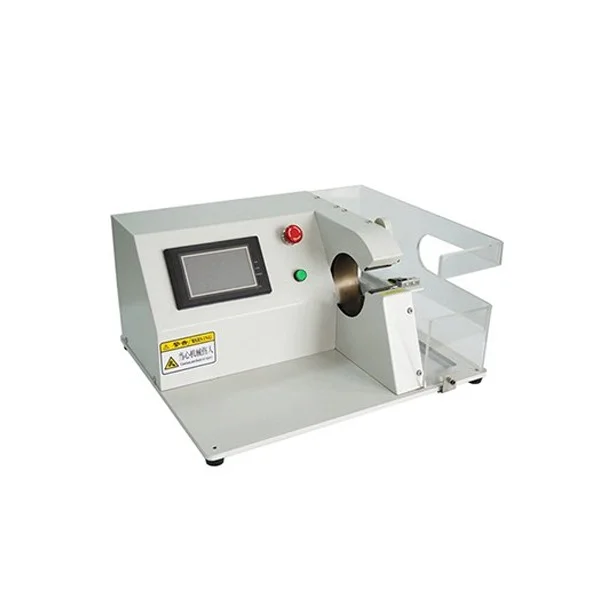
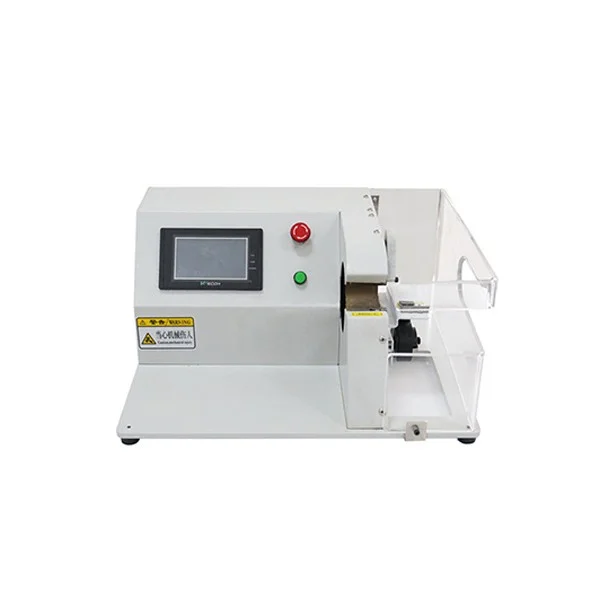
The HeChang HC-30 shows how this works in practice. You set parameters on a touch screen interface, and the machine winds tape in a spiral pattern. Main engine speed adjusts from 200 to 1400 RPM, so you can match the pace to the tape material and wire diameter. You can switch between spot winding at the same position and spiral winding at different positions. That flexibility covers both localized reinforcement and full-length wrapping. An output display lets you monitor production as it runs, which helps you catch drift before it becomes rework.
Downtime matters as much as wrap quality. The HC-30 allows quick blade replacement, so a worn or damaged blade does not stall the line for long. You swap the blade and resume production with minimal interruption.
Speed and throughput
Throughput gains come from two sources: faster winding and fewer stoppages. The HC-30 runs at main engine speeds up to 1400 RPM, which lets you push cycle times down on repetitive harness work. The output display gives you a running count, so you can track shift performance and plan capacity with real data.
Consistent tape application also protects your yield. When every wrap meets the same tension and lay standard, fewer units fail inspection and fewer come back for a second pass. That effect compounds across a shift. Stable output means your operators spend their time producing, not correcting.
The machine fits a range of production scales. Its compact footprint of 430 by 380 by 260 millimeters and 27 kilogram weight let you place it on a bench without a major floor plan change. It operates on 220V or 110V, so you can integrate it into most workshop power setups. Tape widths from 9 to 30 millimeters and outer diameters up to 110 millimeters cover common harness materials. Wire diameters from 1 to 25 millimeters handle everything from small electronics leads to larger cable assemblies.
Pair speed with consistency and you get a predictable process. You set the lap and speed, the machine repeats them, and your output stays within tolerance. That predictability is the real throughput advantage. It turns a variable manual task into a repeatable production step you can schedule and measure.
Application fit and compliance
Cable types and production scales
You will find taping work across automotive harnesses, electronics assemblies, and general cable assembly. Each setting rewards a different level of automation. Desktop and handheld units suit small operations with low volume and tight budgets. Semi-automatic spot taping suits harness tasks that repeat the same wrap many times per shift. Match the machine to your volume, and you avoid paying for capacity you never use.
The HeChang HC-30 covers a broad middle ground. It accepts tape materials without release paper, including PVC, vinyl, cloth, and felt. Check these specifications against your current tape stock:
Parameter | HC-30 range |
|---|---|
Tape width | 9–30 mm |
Tape outer diameter | up to 110 mm |
Wire diameter | 1–25 mm |
Power supply | 220V or 110V |
Footprint | 430 × 380 × 260 mm |
Weight | 27 kg |
That range handles small electronics leads and larger cable assemblies on one wire taping machine. The compact footprint lets you place it on an existing bench.
Standards and quality assurance
Uniform tape coverage does more than look neat. It supports compliance with cable protection and workmanship standards, because inspectors judge wrap consistency, overlap, and coverage. A machine that repeats the same lay every cycle gives you evidence of a controlled process. You can show a stable result across a production run, not a sample that depends on who was taping that day.
After-sales support protects that consistency over time. HeChang backs the HC-30 with a one-year warranty, excluding belts and blades. Online technical assistance responds within 24 hours. Quick blade replacement keeps the line running when a blade wears. Together, these points lower the risk of a long stoppage and keep your compliance record intact.
Cost savings and ROI
Labor and waste reduction
Manual taping ties up skilled hands on a task that repeats all shift. An operator measures tape, holds tension, and checks overlap by eye. Fatigue sets in, pace drops, and quality drifts. A wire taping machine changes that equation. Automated wire processing can far exceed manual speed and accuracy, so one operator can run the machine and handle other steps at the same time. You redirect labor from wrapping to inspection, setup, and finishing work that needs judgment.
Stable output compounds the savings. When every wrap meets the same tension and lay, you stop paying twice for the same harness. Rework disappears from the schedule, and your team stops chasing defects that manual taping quietly introduced.
Waste falls for a second reason. Consistent tape application means fewer rejected wraps and less tape pulled off and thrown away. Quick blade replacement on the HC-30 keeps a worn blade from tearing tape or stalling the line, so you lose less material to bad cuts. Plan your total investment realistically. Budget for the machine itself, your tape stock in widths from 9 to 30 millimeters, consumables such as blades and belts, and training time for operators learning the touch screen controls. A complete budget now prevents surprises later.
Payback and total cost of ownership
Judge payback by the costs you remove, not by a single headline number. Your return comes from three places: labor hours freed from hand taping, rework and scrap you no longer produce, and throughput you gain from running at main engine speeds up to 1400 RPM on repetitive harness work. Add the value of a predictable process. Stable output lets you quote tighter delivery dates and accept larger orders with confidence.
Total cost of ownership extends beyond the purchase price. Count tape consumption, blade and belt replacement, power draw on a 220V or 110V supply, and operator training. The HC-30 keeps several of these costs modest. Its compact 430 by 380 by 260 millimeter footprint fits an existing bench, so you avoid floor space and facility changes. A one-year warranty, excluding belts and blades, plus online technical support within 24 hours, limits the risk of an expensive stoppage.
Track your own baseline before you buy. Record current taping hours per shift, rework rates, and tape usage. Compare those numbers against machine output after installation. That before-and-after record gives you a factual payback picture grounded in your own production data, not a vendor estimate. Most buyers find the case strongest where manual taping consumes the most labor and where quality complaints cluster around wrap consistency.
Wire taping machine vs. manual taping
Manual and handheld methods
Manual and handheld taping fit best when your volume stays low and your wiring operations stay small. A handheld dispenser costs little, takes up no bench space, and lets one person wrap a harness wherever the work sits. Tight budgets favor this route. You buy tape and a dispenser, and you start producing the same day. Small shops with mixed, one-off jobs also gain from the flexibility. An operator can switch tape widths and wrap patterns without changing any settings.
Hand taping rewards judgment. Your most experienced people can feel tension and adjust on the fly. That skill carries real value on prototype work and short runs where setup time would eat the savings. Manual methods also suit repair and field work, where a machine cannot follow the cable. Choose this path when your output stays modest and your quality checks tolerate normal operator variation.
Semi-automatic and other machines
Semi-automatic machines like the HeChang HC-30 fit repeatable harness work at medium-to-high volume. You set the lap and speed on the touch screen, and the machine repeats that wrap on every unit. Main engine speeds from 200 to 1400 RPM let you match pace to the tape and wire. Spiral winding lays tape flat and wrinkle-free, and you can switch between spot winding and spiral winding as the job demands. Tape widths from 9 to 30 mm and wire diameters from 1 to 25 mm cover most harness assemblies.
This class of wire taping machine earns its place when consistency drives your quality record. Inspectors see the same coverage and overlap across a run, not a result that shifts with operator fatigue. The output display helps you track production and plan capacity. Each option suits a different production scale. Match the tool to your volume and quality needs, and you get the return you planned for.
You now have four solid reasons to upgrade. A wire taping machine delivers repeatable quality, wrap after wrap, every shift. It covers automotive, electronics, and harness work on one compact bench. Uniform coverage supports your compliance record. And the labor, rework, and waste savings give you a measurable return.
Tie these benefits to your own goals. If you need stable output and tighter delivery dates, the machine pays you back in predictable production. If quality complaints trace back to hand taping, consistent lay solves them. Match the machine to your volume, set your baseline, and let your own numbers confirm the decision with confidence.
FAQ
What tape materials can the HC-30 handle?
The HC-30 accepts tapes without release paper. You can run PVC, vinyl, cloth, and felt. Tape widths from 9 to 30 mm fit the machine, and rolls up to 110 mm outer diameter mount without adapters. Check your current tape stock against these ranges before you order.
What wire sizes does a wire taping machine cover?
The HC-30 wraps wire diameters from 1 to 25 mm. That span covers small electronics leads and larger cable assemblies on one machine. You set the lap and speed on the touch screen, and the spiral winding method repeats the same wrap on every unit.
What power and space do I need?
The HC-30 runs on 220V or 110V, so most workshop power setups work without changes. Its footprint measures 430 by 380 by 260 mm, and it weighs 27 kg. You can place it on an existing bench and start producing.
What support comes with the machine?
HeChang backs the HC-30 with a one-year warranty, excluding belts and blades. Online technical assistance responds within 24 hours. Quick blade replacement keeps a worn blade from stalling your line, so you protect uptime and your delivery schedule.
Should I replace hand taping entirely?
Not always. Keep hand taping for low volume, prototypes, and field repair. Add a semi-automatic machine when repeatable harness work at medium-to-high volume demands consistent quality. Match the tool to your production scale, and you get the return you planned for.


View More(Total0)Comment lists